
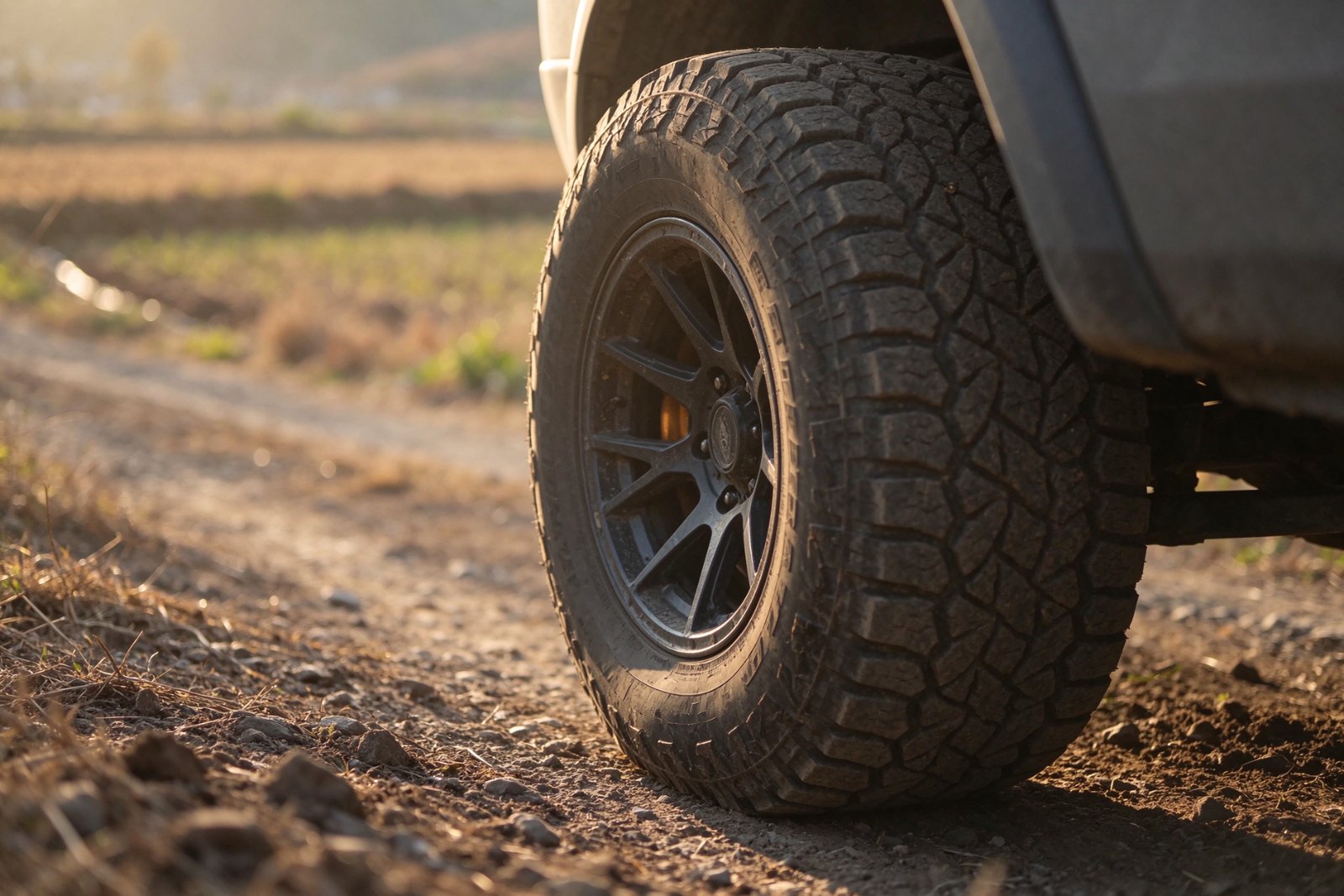
Sedona Tire & Wheel has launched five new ATV/UTV wheel models for 2026, including what it describes as the industry’s first dual-drilled beadlock and non-beadlock wheels, supporting both 4/137 and 4/156 bolt patterns and sold through Western Power Sports dealers, as reported here.
What actually changed
- Two bolt patterns, one wheel. 4/137 and 4/156 coverage simplifies stocking for a mixed fleet.
- A356 aluminium, forged 6061 beadlock ring. Material specification is part of the durability claim, not marketing.
- Fitment flexibility is the feature. A dealer can serve more machines with less inventory.
- Beadlock versus non-beadlock. One is for low-pressure air and grip, the other for simplicity and cost.
For a farm running two or three different ATV models, fitment flexibility is a genuine operational saving: fewer part numbers, less dead stock and a faster swap when a tyre fails in the middle of a job.
The engineering caveat is that a wheel that fits two patterns must be engineered for the load of both applications, and beadlock hardware demands correct torque and inspection. A dual-fitment wheel is a convenience, not a licence to ignore the specification sheet.
Where MODOU VEHICLE fits
At MODOU VEHICLE (Yongkang Modou Vehicle Co., Ltd.) we build the practical end of this market: agricultural ATVs from 200cc to 350cc, electric ATVs, gasoline ATVs and utility machines that farms, estates and rental operators actually put to work. The MD-XL5 is the model most of our dealers specify for large-acreage utility work where wheel and tyre failures cost a working day. Every unit leaves the line with a shaft or chain drivetrain tuned for load, a locking rear differential where the terrain demands it, and a rack and towing package sized to the engine, not to the brochure.
The bottom line
Standardise the fleet where you can, and standardise the wheels where you cannot. Every shared part number is a saved hour.